

Medical Science Popularization Disclaimer: The content of this article is for medical and health popularization reference only, and shall not replace the diagnosis, treatment and advice of professional doctors. Do not diagnose, treat or take medication on your own based on the content of this article. If you have health problems, please go to a regular hospital for treatment in a timely manner and follow the guidance of professional physicians.
For many parents, this is a heart-stopping moment—temperatures hitting 38°C or 39°C, paired with a listless little face, often sends panic soaring. But here’s the truth: fever itself isn’t an illness—it’s a defense signal that the body is fighting infection. With scientific care and clear judgment, you can help your baby get through a fever smoothly.
1. First, Know: At What Temperature Should You Worry?
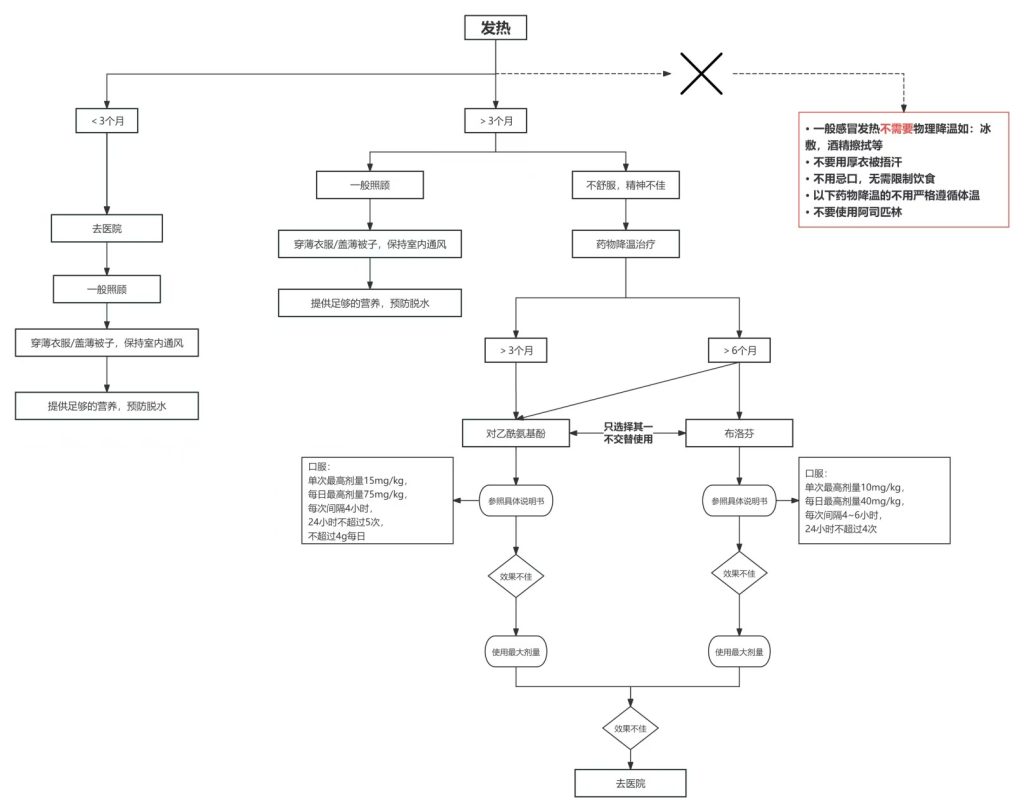
- Newborns (under 3 months): If rectal temperature is ≥38°C (100.4°F), seek medical help immediately. Newborns have weak immune systems, and even a low fever could hide a serious infection.
- Babies 3–12 months: Contact a doctor if temperature is ≥39°C (102.2°F).
- Toddlers under 2 years: Don’t tough it out if fever lasts 24–48 hours—get professional advice.
- Kids 2+ years: Seek evaluation if fever lasts 48–72 hours, or if temperatures come and go for over 1 week (even if they’re not very high).
2. At-Home Care: 4 Key Tips
1. Don’t “Bundle to Sweat”! Cool Down the Right Way
- Dress them in light, breathable clothes and use a thin blanket; keep the room ventilated (avoid direct drafts on the baby).
- If the fever is high and the baby is uncomfortable, use a lukewarm sponge bath (note: lukewarm, not cold water or alcohol!) on the neck, armpits, or groin to help cool them.
- Never use ice packs or alcohol rubs—these cause shivering, which actually raises the body’s core temperature.
2. Hydration Matters More Than “Forcing Food”
- For infants, give extra breast milk or formula; older babies can have warm water, light soup, or congee.
- Don’t force food—loss of appetite is normal during fever; if they’re not hungry, don’t push it.
- Note: Avoid giving young babies too much fruit juice or sports drinks—these can strain their digestive system.
3. How to Use Fever Reducers: Choose the Right Medicine & Dose
- Acetaminophen (e.g., Tylenol): Safe for babies 3+ months. Dose by weight (typically 15mg/kg per dose), every 4–6 hours; no more than 5 doses in 24 hours.
- Ibuprofen (e.g., Motrin/Advil): Safe for babies 6+ months. Dose by weight (typically 10mg/kg per dose), every 6–8 hours; no more than 4 doses in 24 hours.
- ❌ Critical notes: Do not alternate these two medicines. Never give aspirin to babies (it can cause severe side effects). Always consult a doctor before giving fever reducers to babies under 3 months!
3. Seek Emergency Care Right Away If These Symptoms Occur
- Unconsolable crying, or lethargy/unresponsiveness;
- Difficulty breathing (even after clearing the nose), or blue lips/tongue/nails;
- Stiff neck, severe headache, or seizures;
- Inability to walk, or refusal to move an arm/leg;
- A history of serious conditions (e.g., heart disease, diabetes);
- Fever develops shortly after traveling to another country.
Finally: Focus on Your Baby’s State, Not Just the Thermometer
References:
- Fever: MedlinePlus
- https://b23.tv/ont9EDr